Once upon a time, the majority of photographers saw no use whatsoever for photo-editing software. These days, photographers can hardly do without it. There is a lot of picture-editing software out there, yet most people are only aware of Adobe Photoshop — no doubt one of the most popular of them all. And as revered as it is in the world of editing, if you still consider it your only option, you need to think again.
Pictures produced by even the best cameras still need some form of editing to stand out — or to properly carry the vision in the photographer's mind.
The very existence of editing software has divided photographers into two broad camps: those who capture and share immediately, and those who capture, carry out a few tweaks, and then share or fold the image into a larger project.
Some of this software you buy and install on your system; some is cloud-based, ready wherever you have an internet connection. Some runs across multiple platforms, while some is locked to a single operating system — in my experience most editing programs are comfortable on Windows, while the Mac is rather more selective. Below are the top editors I recommend to every photographer, and to anyone who deals in pictures.
Adobe Photoshop
Still one of the top picks as far as photo editing is concerned. Photographers enjoy this software because of just how much you can do with it — from simple adjustments to complex manipulations, Adobe covers all of it. The annual subscription used to be worth the experience, at least until other software arrived offering similar tools at a reduced rate. Note, too, that you need Photoshop and Lightroom together to enjoy the full benefits. Photoshop has an enormous number of tools; the downside is that it will never guide you on how to use them.
- Platform
- Windows · macOS
- Model
- Subscription (pair with Lightroom)
- Best for
- Everything — if you'll learn it
- Official site
- adobe.com
Serif Affinity Photo
Mac users are often deprived of the flexibility Windows users enjoy in their software options. Those looking for a Photoshop alternative can go for Serif Affinity Photo. Serif is best known for producing budget applications for Windows — PhotoPlus among them — and has only recently branched into Mac software, to real effect.
If you are proficient with Photoshop, getting used to Affinity will be a breeze.
- Platform
- macOS (and Windows)
- Model
- One-off purchase
- Best for
- Experienced Photoshop users on a Mac
- Official site
- affinity.serif.com
Phase One Capture One Pro 10
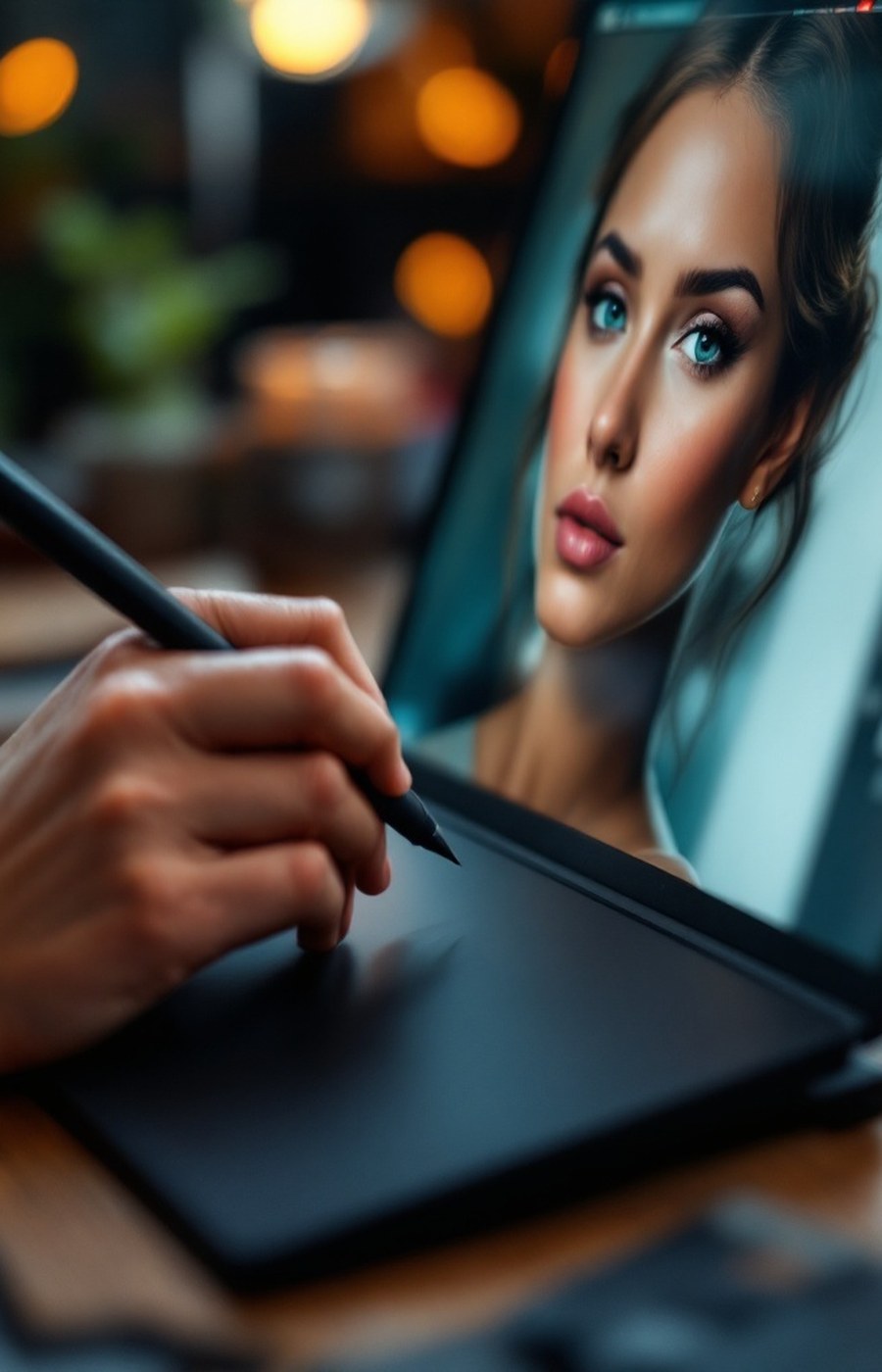
This software began life as a tool for medium-format cameras and has grown into a powerful image editor for any camera. Much like Lightroom, you import images into a searchable database and apply non-destructive adjustments; the changes only become permanent when you export the processed image as a JPEG or TIFF. This software is more powerful than any review suggests — including this one.
- Platform
- Windows · macOS
- Model
- Licence or subscription
- Best for
- RAW workflow · tethered studio work
- Official site
- captureone.com
Corel PaintShop Pro X9
Corel PaintShop Pro X9 is often compared with Adobe Photoshop and offers similar advantages — plus a genuinely amazing gradient tool. Its recent upgrades let you create interactive designs directly on images.
The one difference to note: PaintShop Pro is available for Windows alone, while Photoshop serves both macOS and Windows devices.
- Platform
- Windows only
- Model
- One-off purchase
- Best for
- Gradients · interactive designs
- Official site
- paintshoppro.com
Apple Photos
The Aperture program was once Apple's professional photo software. Since it was discontinued, the closest option is Apple Photos — the substitute for iPhoto, free with macOS Sierra. It offers good organising, editing and sharing capabilities.
Generally, it handles all basic photo editing. When you need to do more, you will want to reach for one of the options above.
- Platform
- macOS
- Model
- Free with macOS Sierra
- Best for
- Organising · basic edits · sharing
- Official site
- apple.com
Also on the list of elite editors is Zoner Photo Studio X. When choosing editing software, consider your purpose and pick the one that fits your need most seamlessly. And if your system is low on memory, consider free options — GIMP carries powerful tools that will get a few photo tweaks done for free.