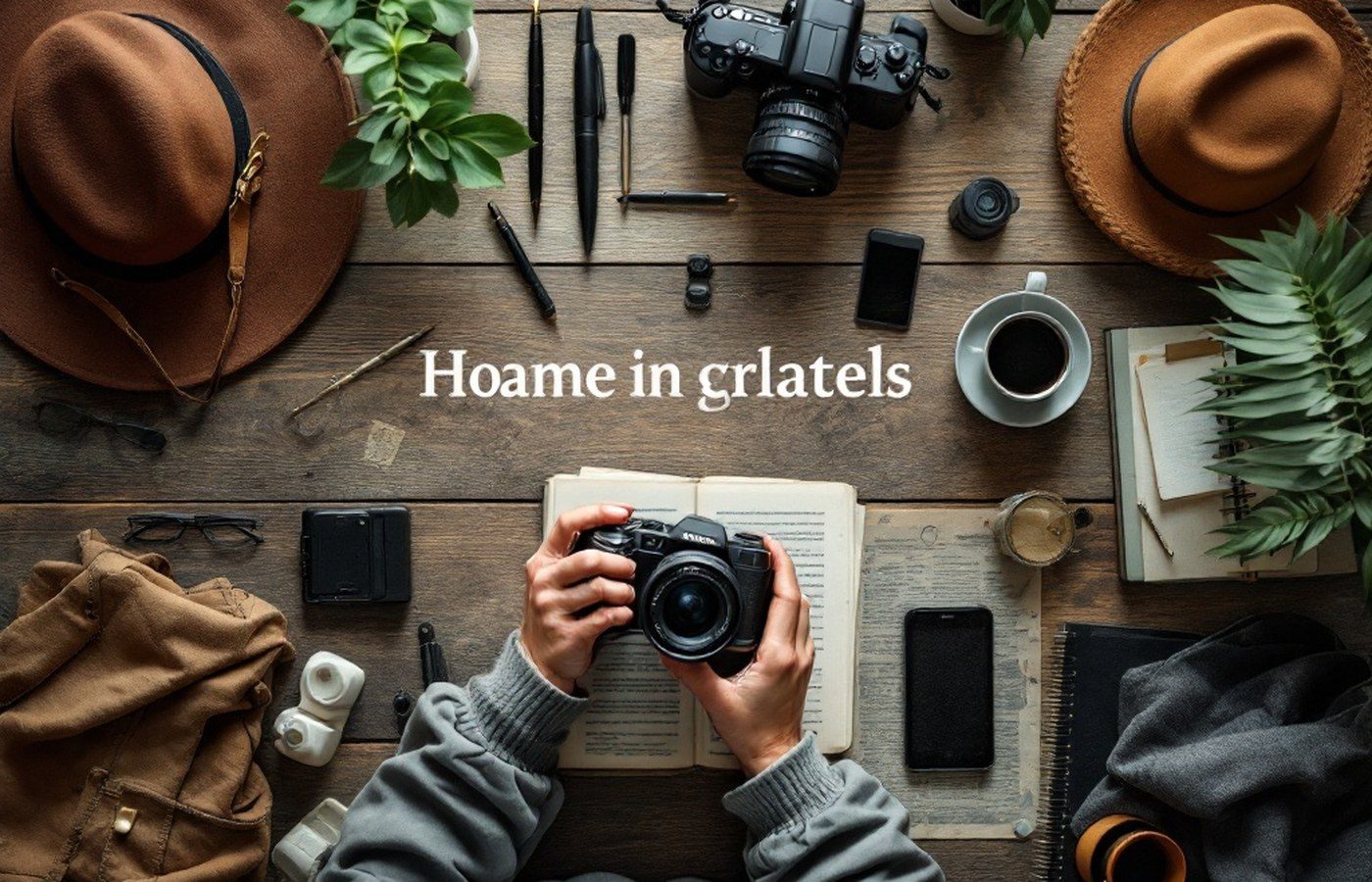
If you dream of making photography a career, it is important to start getting familiar with the essential equipment of the trade early. The right tools will not make you a photographer — but they will remove every excuse between you and the shot.
A great collection of photography equipment can carry you across the bridge from amateur to professional. — see the companies building that equipment
Beyond ambition, there is a simpler truth: in the field, some equipment is indispensable no matter your level of professionalism. I will not be covering the basics here — the different types of cameras and lenses deserve their own library, and you can get the full picture in the Ultimate Guide to Buying a New Camera. What follows is the long list of essentials I believe every photographer should own.
A Camera Bag
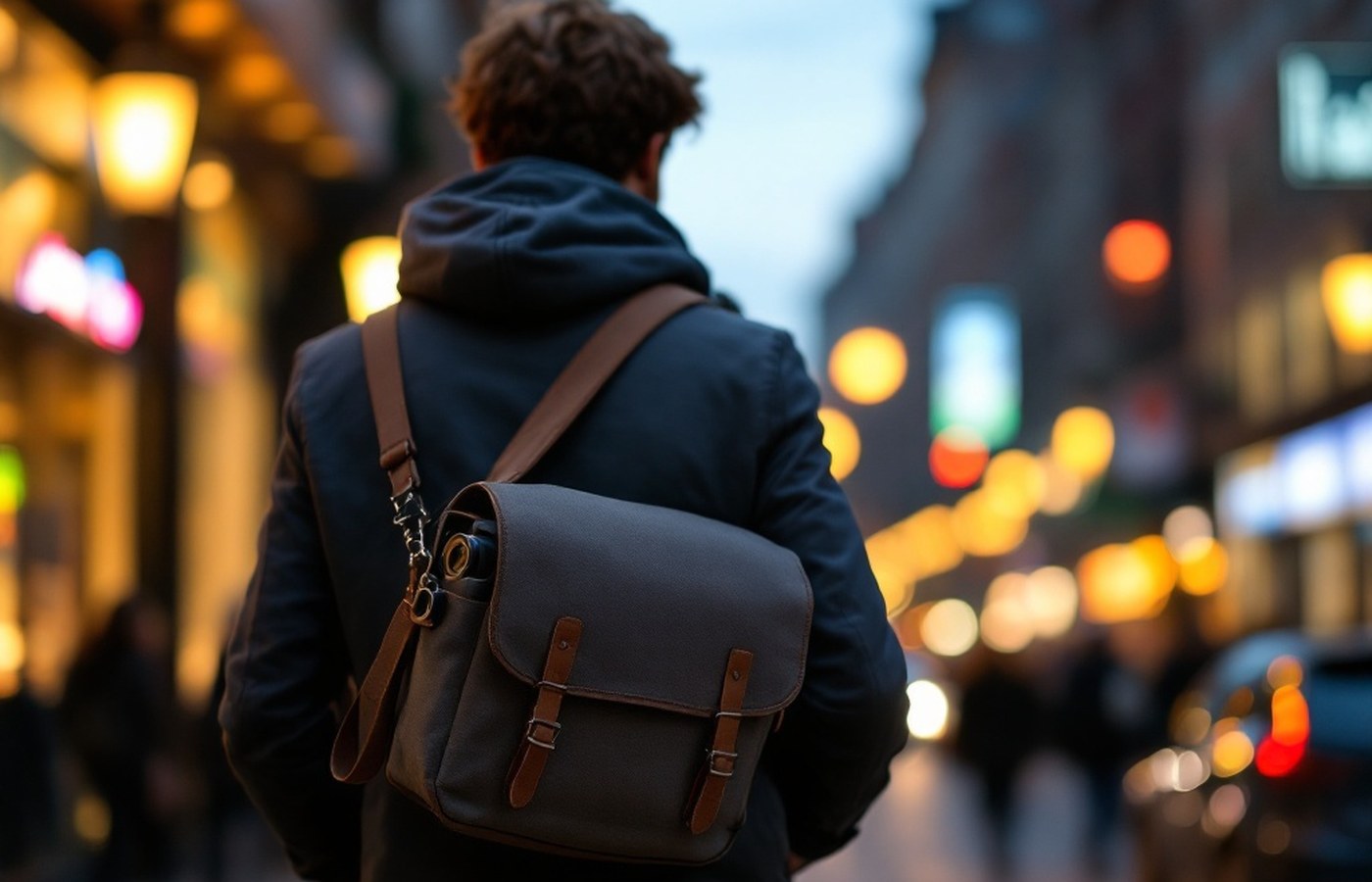
As a photographer on the move, your camera bag and its contents are the centre of your universe. You would not dive from a helicopter without a parachute; in the same way, it is madness to head out without your camera — and the bag is what makes carrying it sane. A camera bag holds everything you need in one place, for the sake of convenience and, above all, for the safety of your camera.
One bag I found genuinely stunning is the Manfrotto Manhattan Camera Messenger Speedy-10 for DSLR/CSC. I liked it enough to give it a full review of its own — do check that out.
Tripods
Using a tripod is the smart way to put an end to blurry pictures. A tripod eliminates the small shakes that are almost inevitable whenever you hold a camera in your palm. It is also a handy tool when you are photographing in an environment with poor lighting, because it steadies the camera long enough for more light to reach the sensor.
Tripods come in a remarkable range of shapes and designs — I keep a running list of my favourites — and there is even a tripod for those who enjoy shooting with their smartphones.
An Alternative Source of Light
You can never tell how good the lighting of your working environment will be. That is why it is always wise to bring your own source of light, ready to augment your camera's flash the moment the need arises. There is a wide choice of LED lamps out there — I've written about my low-light favourites — and the final choice is entirely at your discretion.
Camera Straps and Holsters
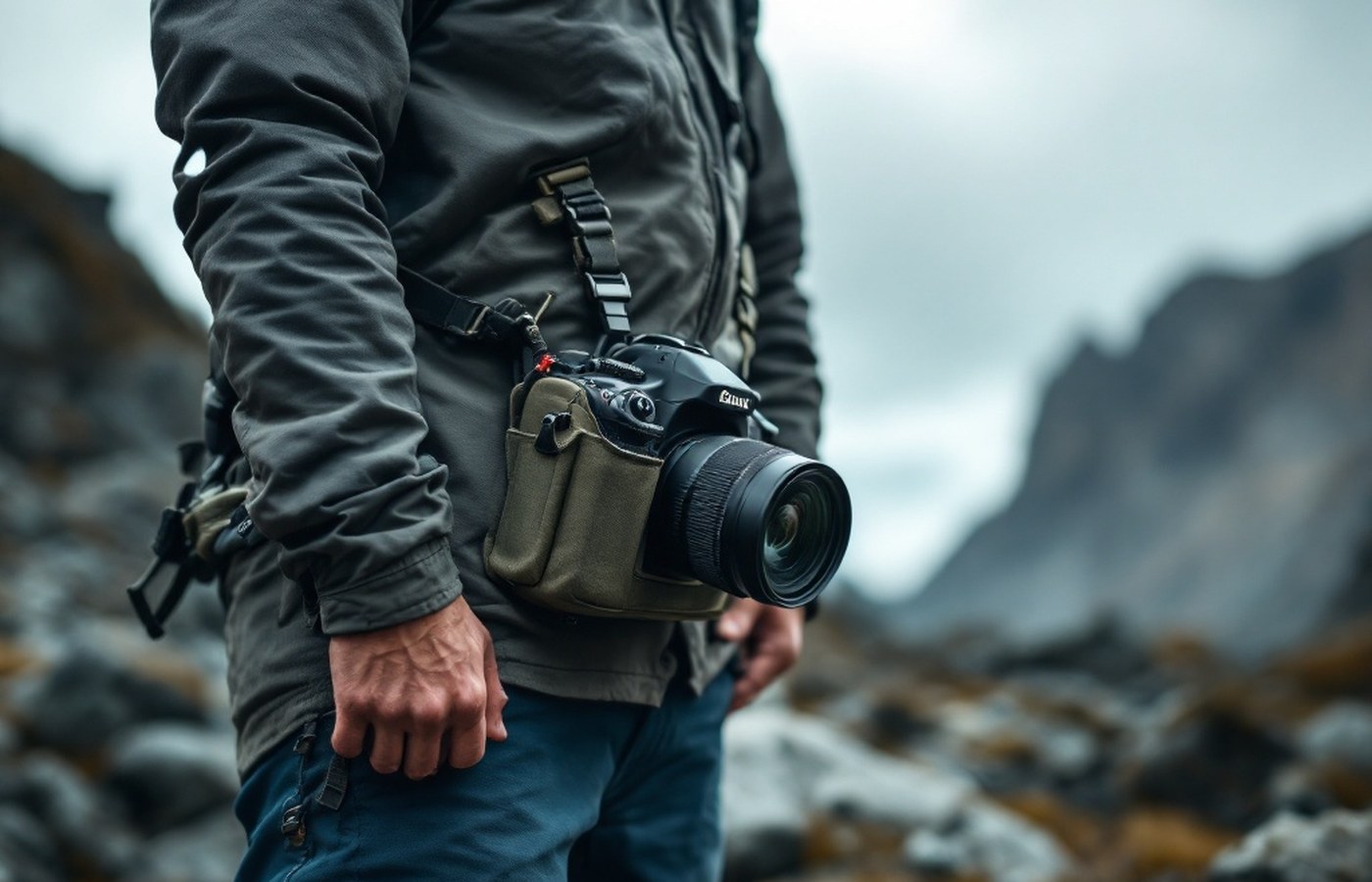
Have you ever wondered why police officers holster their guns? As a photographer, your cameras are your guns. They have to tag along with you always, and they have to stay in a safe compartment while they do. A bag can become too bulky and inconvenient to carry all day, but a Cotton Carrier harness takes the weight clean off your shoulder while keeping the camera a half-second from your eye.
Filters
Almost every digital camera ships with built-in white balance and colour corrections, and the software photographers now use for editing has reduced the need for colour-compensation filters even further. But there remain filters whose effect simply cannot be dialled in from your camera or recreated on a screen — which is exactly why you should keep your own set handy.
Other equipment that should always be close to you: extra memory cards, extra batteries, a sensor cleaner, a diffuser and a lens cleaner. None of them glamorous; all of them shoot-savers.