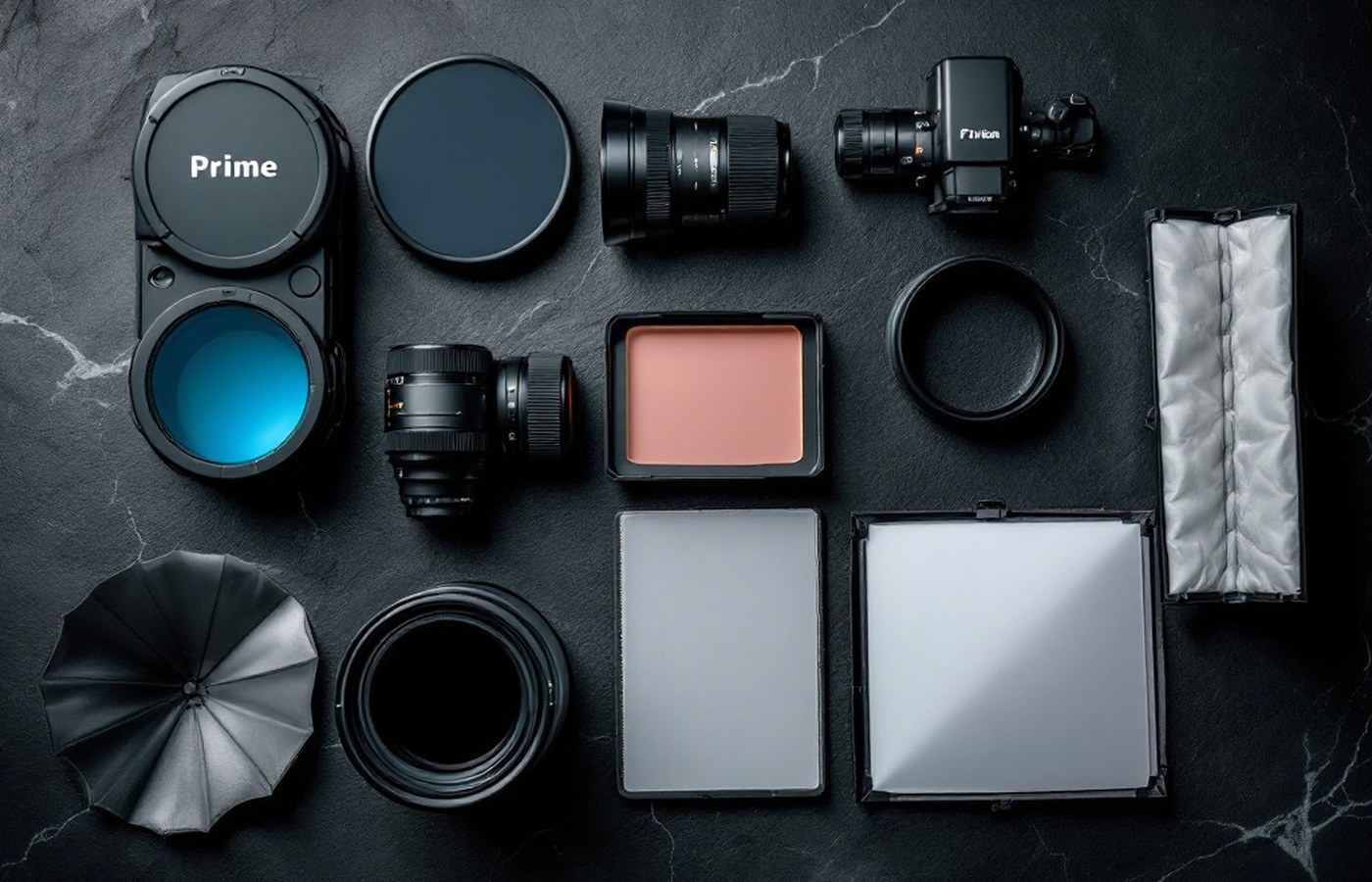
Ask a room of photographers how to improve picture quality and most will name a new camera body. In my years in the field I have learned the opposite lesson: the body matters least. What sits in front of the sensor, under the camera, and around your light — that is where image quality is actually won and lost.
Pile up crap in front of your camera, and you will end up with a result exactly as crappy. — a lesson from the Canon–Nikon battle
Here is the gear that has visibly enhanced the quality of my own pictures — ordered so the cheapest improvements come first, because that is the order in which you should buy them.
A Fast Prime Lens
The single most dramatic quality jump per dollar is a fast prime — a 50mm f/1.8 from your camera's maker costs less than a good dinner for four. A wide aperture drinks in light, renders backgrounds soft and creamy, and primes are almost always sharper than the zoom that came in the box. If you shoot Canon or Nikon, both houses make superb, affordable ones.
A Polarising Filter
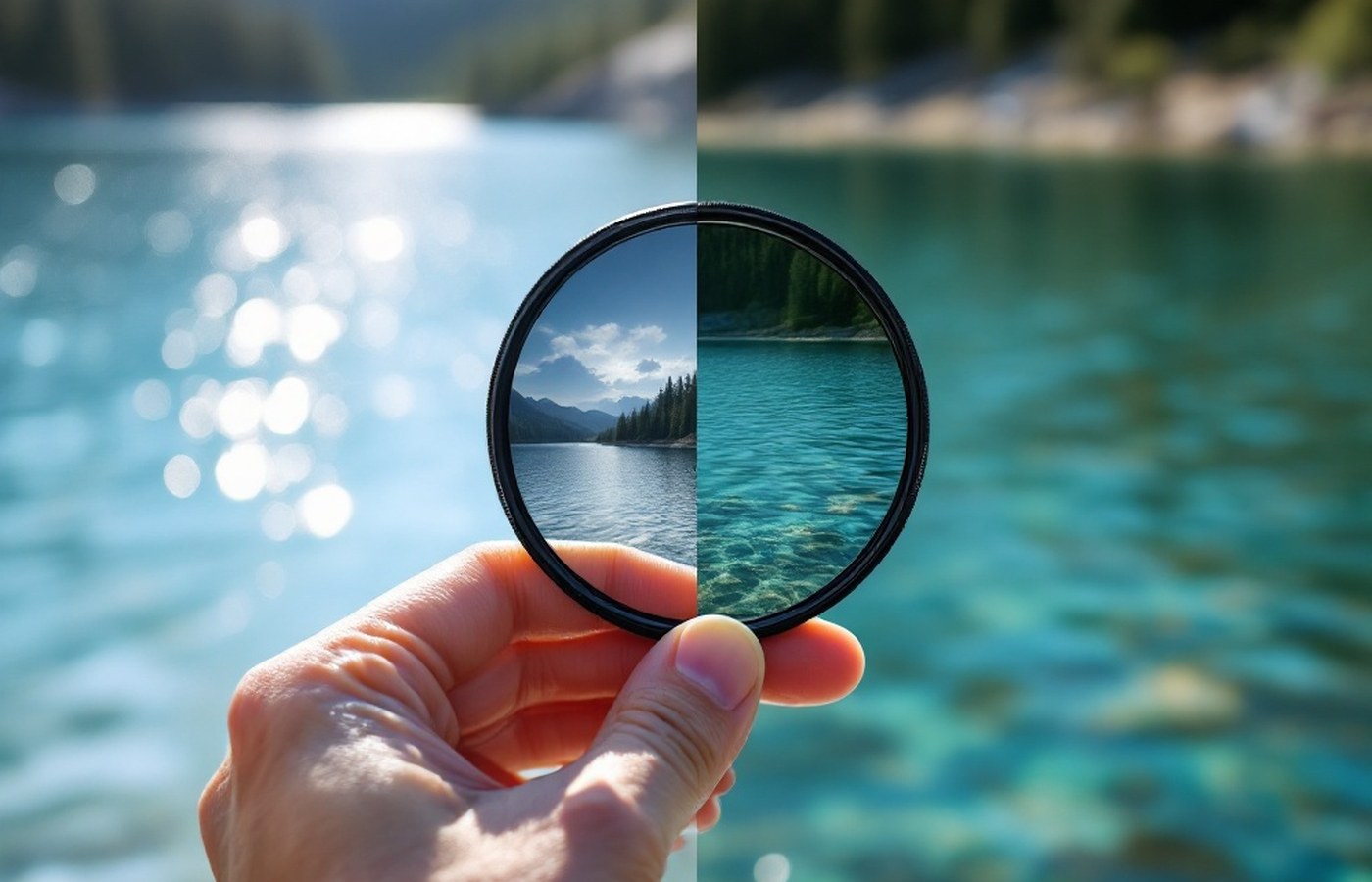
Most filter effects can now be dialled in later on a screen — but a circular polariser is the great exception. It cuts glare off water and glass, deepens a pale sky, and saturates foliage in a way no editing software can reconstruct, because the information the glare destroyed never reached the sensor. For landscape and travel work, it lives on my lens.
A Tripod
Blur is the great destroyer of picture quality, and human hands are its accomplice. A tripod eliminates the shake, lets you keep ISO low where sensors are cleanest, and opens the door to long exposures in poor light that handheld shooting simply cannot attempt. I keep a full guide to the tripods worth buying — and even a pocket one for your phone.
Off-Camera Light — Flash and Reflector
The pop-up flash aims a small, harsh light straight at your subject — the least flattering direction light can come from. An external flash you can bounce or diffuse, or even hold at arm's length, turns that harshness into shape and depth. Add a folding reflector — the cheapest item in this whole list — and you can push soft light back into shadows with no batteries at all. Bad light beats good gear every time; control the light and quality follows.
A Finishing Pass in Software
Even pictures produced by the best cameras still need some form of editing to stand out. A modest crop, a lift of the shadows, a touch of contrast — done in the right editing software, these final adjustments routinely add more polish than any single piece of hardware. It is a low-cost upgrade, and the one most photographers skip.
Master light, steady the camera, put good glass in front of the sensor — and only then start eyeing a new body. Quality lives in that order.